Hazardous Tree Removal in Meridian, Idaho
Risk is the target under the tree, not the species name. A lean, a lifted plate, or a cavity over a roof.
Free estimate.
- Free estimates
- Treasure Valley
- Local crew
- One number
This job covers
- Lean toward the house
- Root plate lift
- Decay in the stem
- Target is a play set or a roof
Hazardous Tree Removal in Meridian, Idaho
Meridian Quality Tree Service takes hazardous tree removal in Meridian, Idaho when the defect and the target line up. Lean toward the house. Root plate lift after irrigation or wind. Decay in the stem. A play set or a roof in the fall line. Risk is that pair, not a scary species name. Storefront lots and apartment islands use the same test over a parking aisle.
Call (208) 274-7486 with a shot of the lean and what sits under it. We walk the plate and the stem before we name the method.
A pretty lean over an empty field is a farm drop. The same lean over a play set is a slow piece-out. That is the whole hazard idea. Fungal conks and cavities tell us the wall may not take a hinge. A lifted plate tells us the tree has already started to go. We describe those things. We do not print a legal stamp on the invoice.
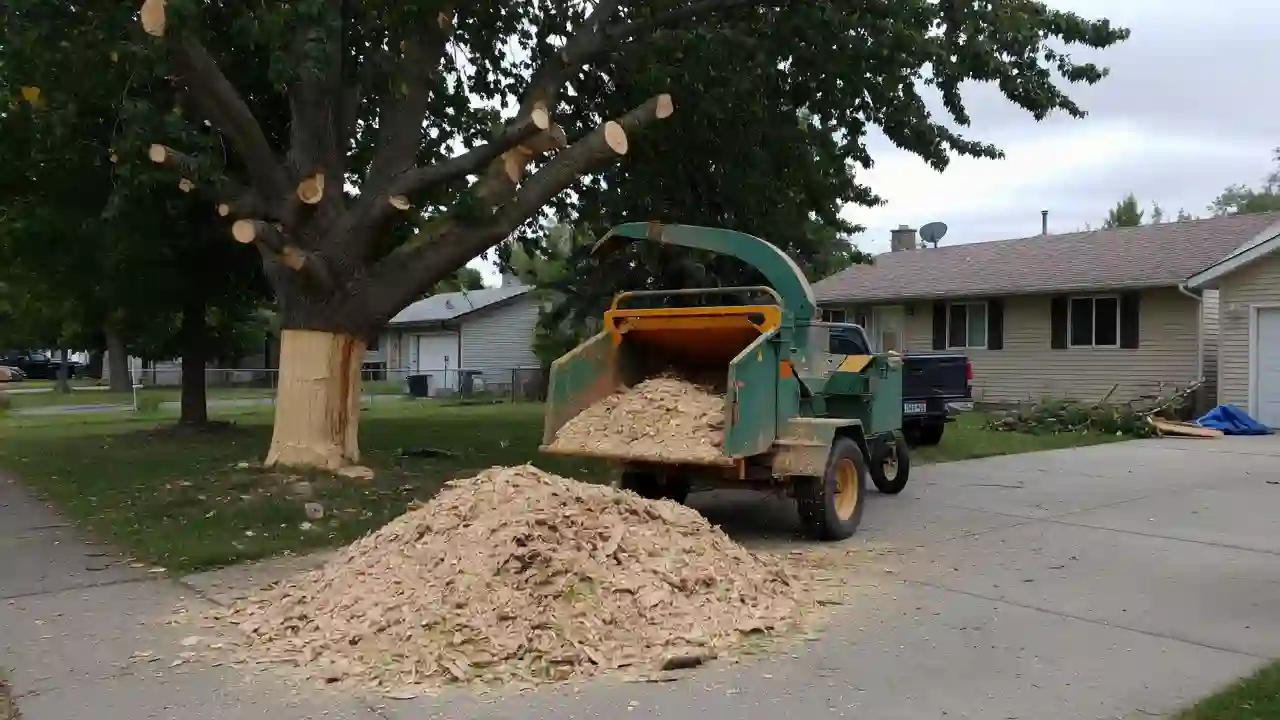
Hazardous Tree Removal Options for Meridian Properties
Lean toward the house
The fall line is the living room. We do not drop it that way. Climb-and-piece or a crane. Hold wood on a lean can fail. We treat it like a snag even if leaves are still on.
Root plate lift
The plate heaved. Soil cracked. The tree has already started to go. Cabling will not put it back. This is a take-down, often sooner than a pretty lean that still has a buried plate.
Decay in the stem
Cavity, fungal conk, soft hold wood. We probe what we can from the ground and from a climb. If the remaining wall cannot take a hinge, we piece or fly. We do not bet a back-cut on a hollow maple.
Target is a play set or a roof
The target makes the hazard. The same defect over an empty field is a farm drop. Over a play set it is a slow piece-out. We move what we can move, then cut.
How We Handle Hazardous Tree Removal in Meridian
Name defect and target. Photo of the plate and the lean.
Refuse cable-as-cure if the plate is up or the wall is gone.
Quote piece, crane, or a rare drop into a real empty hole.
Cut for failure. Short pieces. Then stump as a second line.
Materials and Methods
Target, risk, root plate, decay cavity, lean, included bark, fungal conk, and hold wood are the hazard terms. Rigging is the same kit as a live take-down, run as if that hinge will fail. ANSI Z133 still sets the climbing rules. We do not write a legal hazard report on this site. We describe the wood and the target and we quote the cut. Neighbor trees stay the neighbor's until the owner hires the work. Encroaching limbs on your side can be a trim of what hangs over, not a take-down of their stem. Commercial aisles and storefront islands use the same defect-and-target test. Night work if the stall must be clear before breakfast. The stump wait is still a second machine after the hazard stem is down.
Hazard trees come down under ANSI Z133. Saddle and hitch for the climb. A block and bull line to lower. Tag line on pieces that can spin. Chipper in the street. A pad under the crane if the snag will not hold a climber. DBH, lean, and targets set the piece size. Barber-chair is the split we plan against. Included bark at a codominant union is a common defect. The utility owns the high line. We own the house side.
A pretty lean over an empty field is a farm drop. The same lean over a play set is a slow piece-out. That pair is the hazard idea. Fungal conks and cavities say the wall may not take a hinge. A lifted plate says the tree already started to go. We describe those things. We do not print a legal stamp. Neighbor stems stay the neighbor's until that owner hires us. Encroaching limbs on your side can be a trim of the overhang, not their trunk. Commercial aisles use the same test. Night work if the stall must open. Stump is still a second machine. Cable is not a cure for a plate that heaved. Send a photo of the lean and the soil crack at the flare. That pair tells us whether we piece, fly, or tell you it can wait a week.
What Hazardous Tree Removal Costs in Meridian
HomeAdvisor's $200 to $2,000 band, average near $750, is the scheduled take-down. Hazard work sits high in that band because of piece-out time and crane risk. If it is already on the house, emergency guides of $1,500 to $5,000 apply. We price the defect in front of us. Call (208) 274-7486 with a shot of the lean.
Leaners and lifted plates on Meridian housing stock
Hazardous tree removal in Meridian is the pair of a defect and a target, not a mood. Lean toward a two-story ridge on a south Meridian plat. Root plate lift after spring irrigation on former farm ground west of town. Decay, a fungal conk, or a crack in a locust over a vinyl fence. We describe what we see. We do not invent a legal label from the sidewalk. Eagle custom lots put taller spruce and maple over longer roofs, so the same defect carries more consequence. Kuna and Melba edges can lean over shops and well heads on open dirt where a drop zone still exists.
Irrigation and drought both create hazard calls here. Soft ground after ditch water runs lifts shallow ornamentals. Summer kill turns a spruce into a brittle snag aimed at a play set. HOA frontages notice the lean when it points at the sidewalk; backyard stems often wait until the plate is obviously up. Neighbor trees are still the neighbor's tree. Encroaching limbs on your side are a different conversation from cutting a stem you do not own.
A standing lean with an empty target can be a scheduled hazard job. The same lean on a roof is emergency territory. Waiting for a free Saturday when the plate is already heaved is how the expensive version arrives at 2 a.m. We quote climb, crane, or drop from access and species the same as any take-down, with rigging that assumes the defect can finish the failure during the cut.
Call (208) 274-7486 with a photo of the lean and what sits under it. Say if the plate moved after irrigation or wind. We price hazardous removal while the stem still stands when that is still an option.
Questions
Who decides a tree is a hazard?
The target and the defect. Lean toward a house, a lifted root plate, decay in the stem, a fungal conk. We describe what we see. We do not invent a legal label. Name the town and the job when you call.
What if the hazardous tree is on the neighbor's lot?
We work for the owner of the tree. Encroaching limbs on your side are a different conversation. We do not cut a neighbor's stem because you asked. Name the town and the job when you call. Name the town and the job when you call. We quote before work starts.
Can I wait on a leaning tree?
If the plate is down and the target is empty, you can plan the week. If the plate is up or the lean is on a roof, waiting is the expensive version. Name the town and the job when you call.
Is a hazardous take-down the same as an emergency?
Not always. Emergency is already on the house, car, door, or line. A standing lean is urgent. We still quote it as a scheduled hazard job when it is standing. Name the town and the job when you call. Name the town and the job when you call. We quote before work starts.
The root plate heaved after irrigation. Is that a hazard take-down?
Usually yes when the lean aims at a house, fence, or play set. A lifted plate is not a cable candidate. We schedule it as a hazard job while it still stands, before it becomes an emergency on the roof.
Can you remove a hazardous tree over the weekend before guests arrive?
Often if access is clear and the stem is still standing. Send photos of the lean and the target. After-hours rates apply only when the wood is already on something that blocks the house. Name the town and the job when you call.
Ready for a tree estimate in Meridian?
Removal, trimming, stump grinding, storm work. Free estimate, no obligation.